Author: Literacy Waitākere

  • Be Nice.

    Yesterday, I was in the supermarket looking for some fresh bread to have for lunch. There were lots of different kinds of bread, and I couldn’t decide which to buy.

    I like soft, fresh bread, so I finally chose a bag of four croissants. I was holding the bag up, looking at the date they were baked, when I heard someone talking to me.

    I didn’t hear anyone coming up behind me, so I was a bit surprised. I turned around and saw a supermarket employee holding up another bag of the same croissants. They were fresh out of the oven, and she said to me, “Would you like some fresh ones?”

    Of course I said yes, and thanked her. I said to her, “You’ve made my day!”. She liked that. She smiled at me and said I was welcome.

    On the way home, I was thinking about that woman. She didn’t need to do that, but she decided to do something nice for a stranger. I must try to follow her example.
  • Do it your own way.

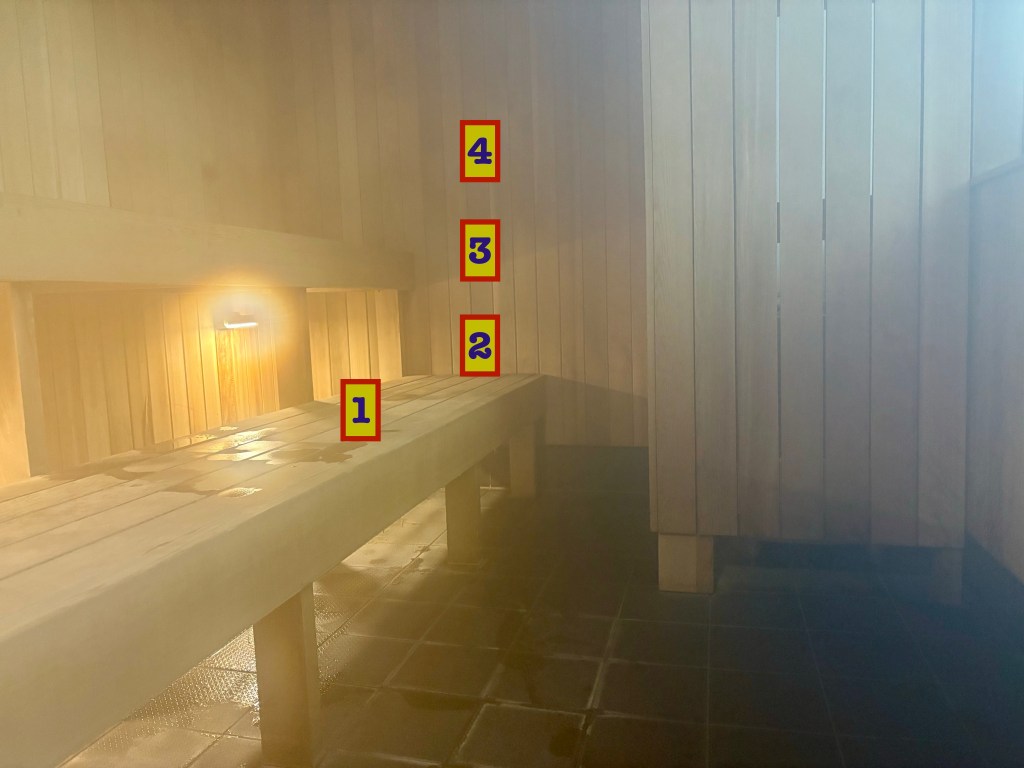
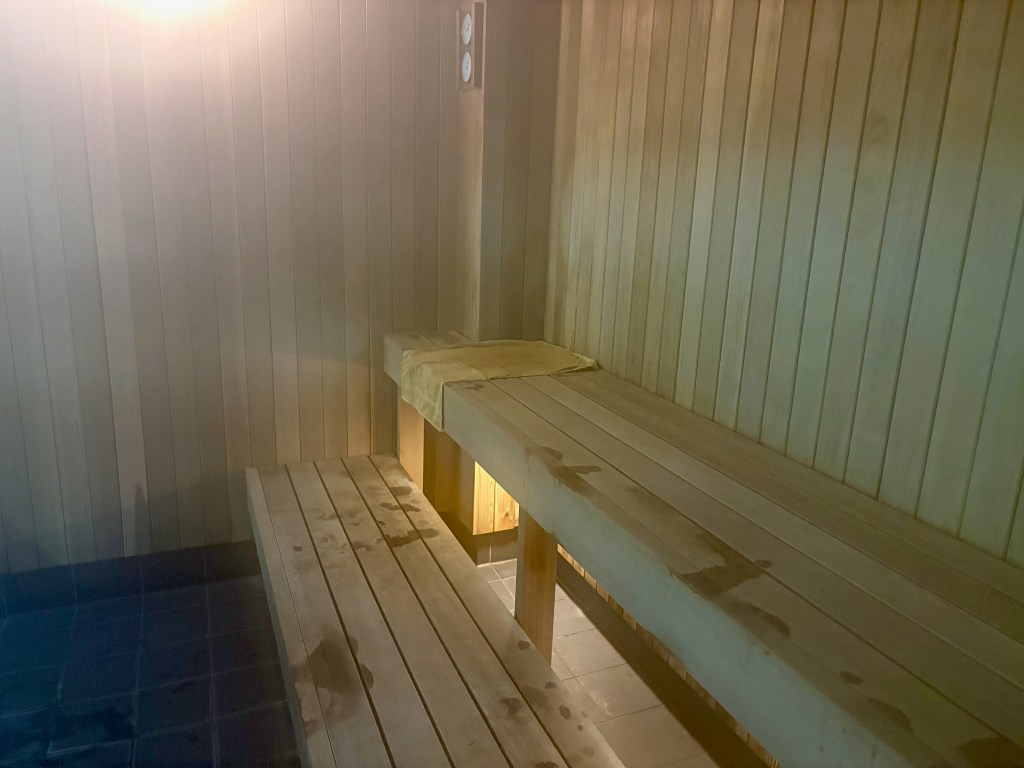
    After my swim this morning, I went into the sauna. It was empty, so I got my usual spot without any bother. I like to sit on the top bench in the corner with my back to the wall and another wall at my shoulder. The picture below shows my favourite position.

    Most people usually sit upright, but some people like to lie down flat on the bench if there aren’t many people in the sauna. I don’t mind that. It doesn’t stop me from enjoying the heat, so live and let live is what I say.

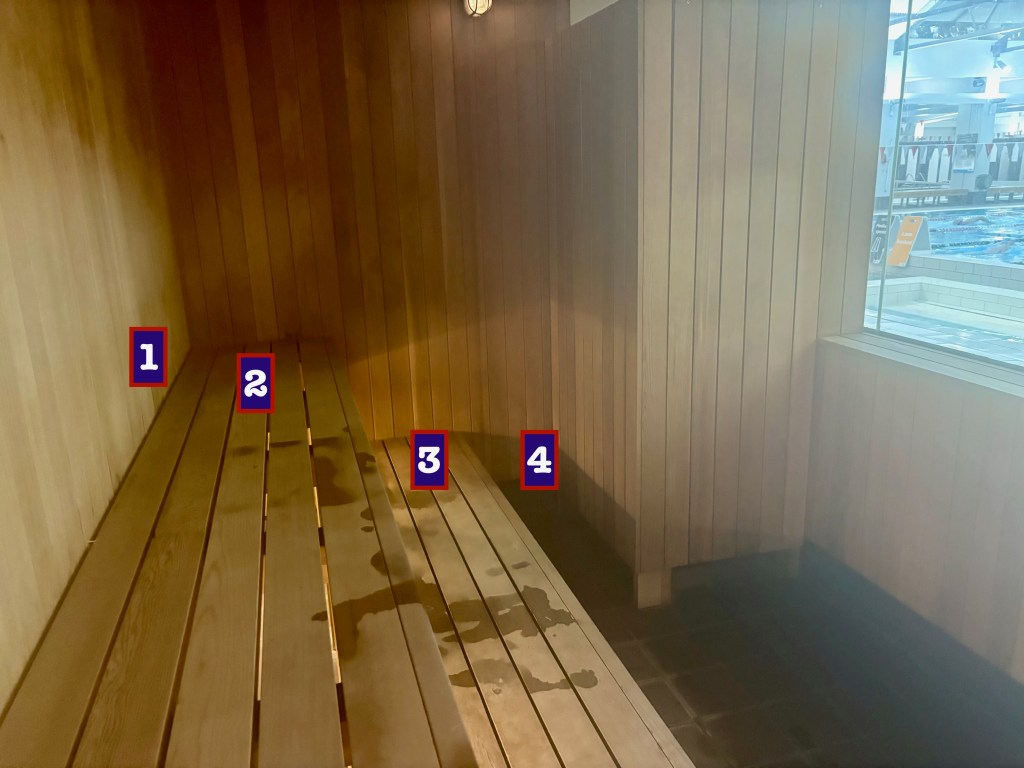
    But today, after a while, a woman came in and she sat down at the other end from me. Well, she didn’t sit. Look at the numbers in the picture below and I’ll tell you what position she took up.

    Number 1 is where her feet were flat against the wall. Number 2 is where her legs were from her heels to her knees. Her back was at number 3, and her head and arms were in the space at number 4. How do I know this? Because I opened my eyes and looked. What was she doing? She was doing sit-ups! In the sauna! But as I said, she wasn’t interfering with my enjoyment of the sauna, so good luck to her.

    I closed my eyes again, but later I opened them. This time, (see the picture below) she had changed her position. Now she was lying down flat on the bottom bench. Her head was at number 1, her bottom was against the wall at number 2, the backs of her legs were flat against the wall at number 3, and her heels were at number 4. This time, she was just stretching. They say you live and learn, so I might give it a go the next time I’m there.

  • Reach for the sun.

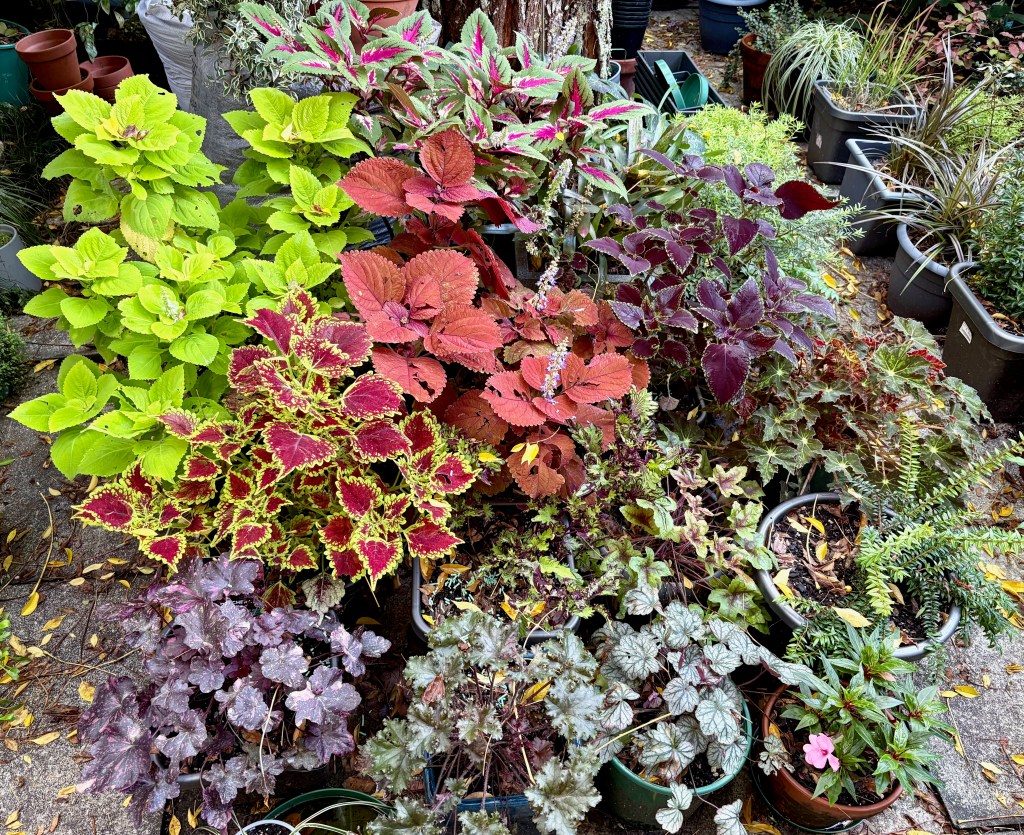
    I like plants. They’re happy to just sit there and do their own thing. These are some that grow in my garden. They get plenty of sunlight.

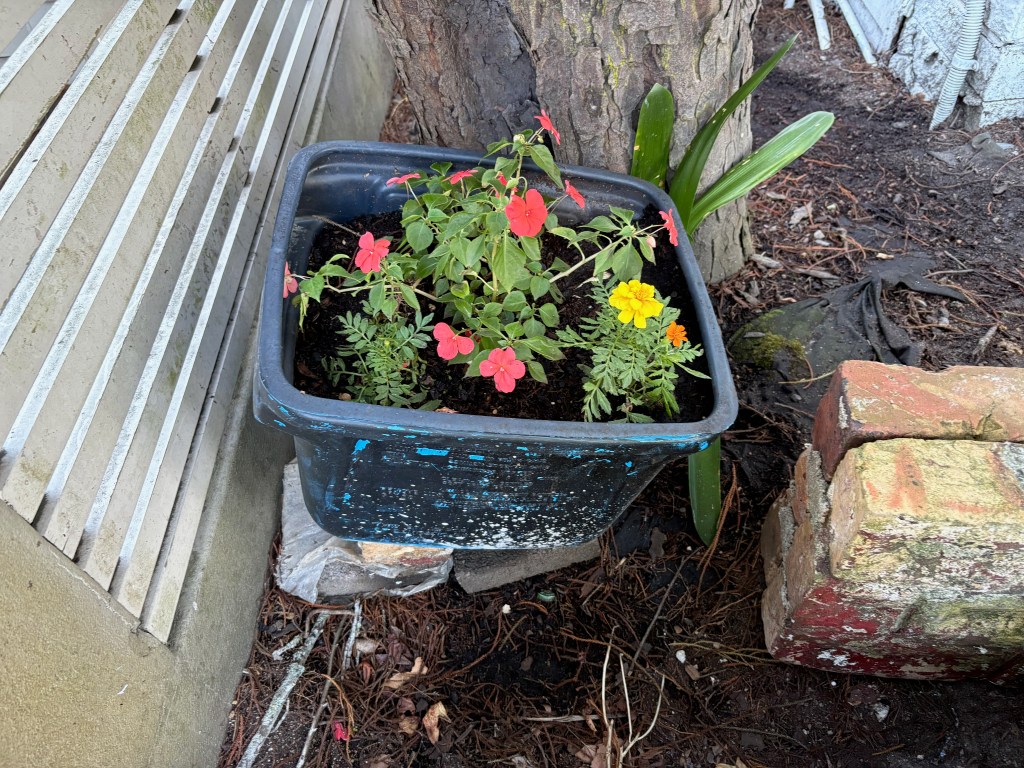
    There’s a house on my street. It has trees at the front, and as you can see, there’s a very small, narrow growing space under the trees.

    The house is for sale, and the owners want some colour at the front to make it more attractive, so they planted some flowers in containers. You can see one of the containers below.

    However, the trees make the space dark, and the flowers can’t get enough sunlight. That means the plants are stunted, which means they don’t grow very high. But as you can see above, they still grow and refuse to die. Life will find a way.

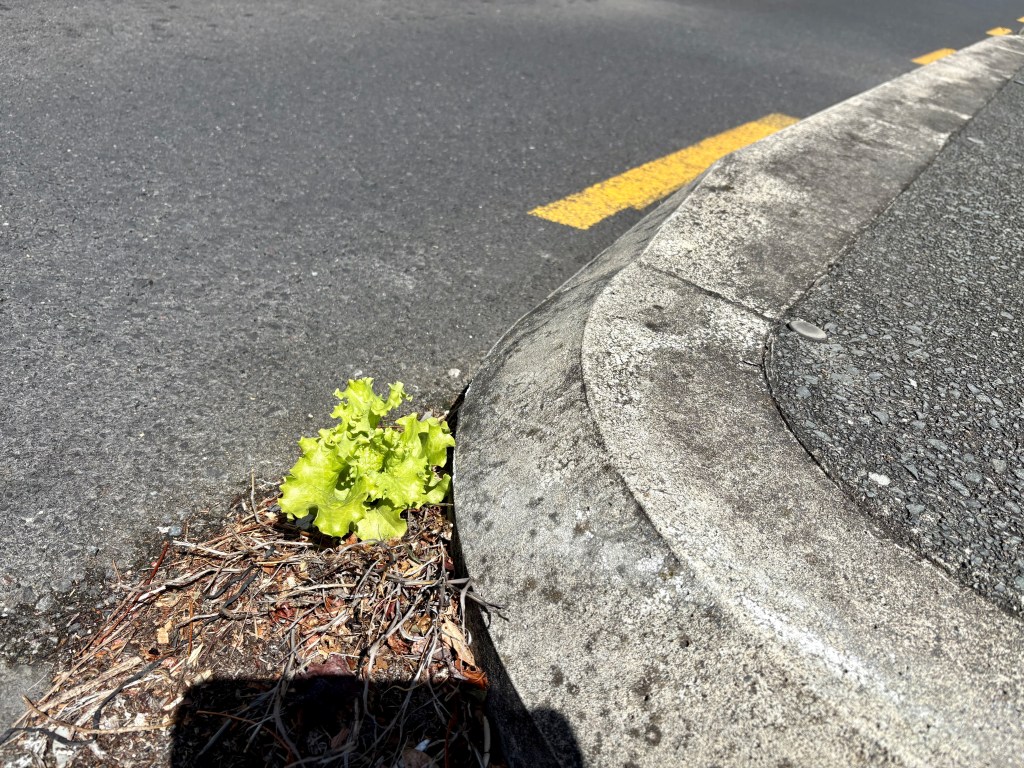
    And to prove that point, here’s another photo I took beside a very busy road. 

    When I was crossing the road, I looked down and saw this plant happily growing at the side of the road. It’s a lettuce! Nobody planted it there. The wind blew a seed and it put down roots. And here it is, growing happily. As I said before, life will find a way.

    BTW, the title of this post is Reach for the sun because plants need sunlight to grow, but there are two other phrases in English: reach for the moon and reach for the stars. One phrase has a positive meaning and the other one is less positive. Follow the links to find out which is which.

  • R … or … A …

    Let me explain what the title of this post means …

    After my swim this morning, I had a sauna, and after the sauna, I was sitting at the side of the pool cooling down before I took a shower.

    Beside me was a swimming instructor. He was giving a lesson to a man in the pool. I wasn’t looking at them, but I could hear them.

    The coach told the learner what he wanted the swimmer to do. He finished his instructions and then he counted him down: 3 – 2 – 1 …

    I was expecting him to then say “Go!”, but he didn’t. Instead, I heard “and a …”. That didn’t make sense to me, because I was expecting him to say something else after the “a” … and a what? So I looked up, just in time to see the man in the pool put his head under the water. And that’s when I realised that the swimming instructor had said “3–2–1– under”.

    Screenshot

    In this country, if there’s an “r” at the end of a word, for example car or far, many people don’t say the “r”, and that’s why I confused “under” and “and a”. They both sound similar.

    I’m a teacher of English, and if I misheard that, it helps me understand how hard listening can be for learners. When you’re listening, don’t just listen to the words; try to look at the bigger picture of what’s happening at the time.

  • 4 … 4 … 4

    In some languages, the number 4 is unlucky because it sounds like the word for death. But in English, 4 is just another number.

    Screenshot

    If you add three fours (4 + 4 + 4), you get 12. If you’re counting things like eggs, 12 is a dozen. If you divide four hundred and forty-four by four (444 ÷ 4), you get 111. That’s the emergency number in Aotearoa New Zealand if you want Police, Fire or Ambulance.

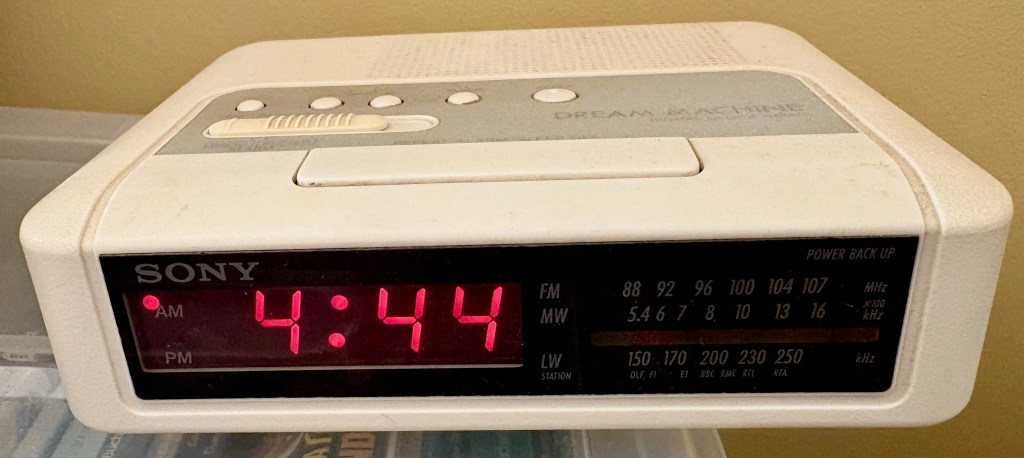
    But there’s a special reason why I’m writing about 444 today. The other morning, I woke up early. When I got out of bed, I looked at the alarm clock. What time was it? It was 4:44.

    The next morning, I also woke up early. I sat up, put my foot out of bed onto the floor, opened my eyes, and looked at the alarm clock to see the time. What time was it? The exact same time I got up the day before! What a coincidence!

    Some people might say that waking up at that time was triply unlucky, but I don’t think so. For me, the time reminded me that today was a new day and I could make my own luck. 

  • The Long, the Short, the Tall

    The title of today’s post is also the title of an old movie from 1961. There’s also an old song from the same period with the same title.

    A few days ago, we were discussing in class the difference between long and tall. They told me long was for distances (a long drive) or time (a long wait), and tall for height (a tall building). In the end, we agreed that long was horizontal and tall was vertical.

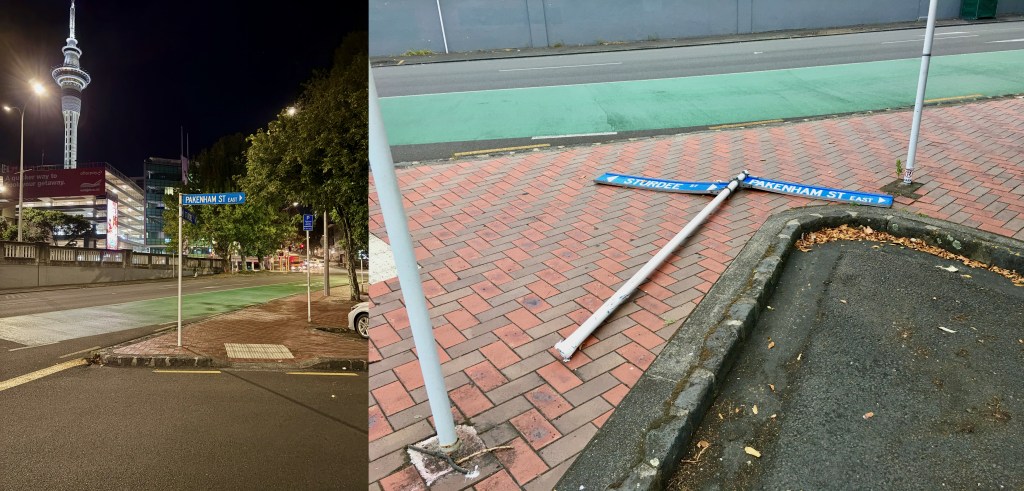
    In the pictures below, the sign for Pakenham St on the left is vertical (pointing up) and the same sign on the right is horizontal (lying flat).

    Then I asked the class a question. I thought there was only one possible answer, but my learners proved me wrong. My question was, “What does it mean if someone says to you, ‘It’s been a long day!’?”

    My thinking was this: there are always only 24 hours in a day, so a day can’t be long or short, but one learner suggested it meant that there was lots of sunshine and it only got dark when it was late. I had to agree with him.

    But for a native English speaker, It’s been a long day is a way of saying that they’ve had a tough day. It’s been work, work, work. You finish one job and start another one immediately. It means you haven’t had an opportunity to rest or take a break, and you’re glad the day is over.

    Often people sigh when they say this.

  • What a Day!

    We have had a run of very good summer weather for the last couple of months here in Auckland, warm and sunny with clear blue skies, and not too hot. So when the sun starts to go down on another good day, I find myself grateful, and say to myself, “What a day!”. I’m happy that I made it through another day, and I go to bed hopeful that tomorrow will also be a good day.

    If you look at the title of today’s post, you’ll see the first word, but it’s not a question word. And if you move your eye to the end of the title, you won’t see a question mark (?), but an exclamation mark (!). In English, when we start a sentence with What a .  .  ., that means that we have strong feelings about something or someone, for example “What a nice thing to say!”

    If I am feeling grateful, and I say to you “What a day!”, there’ll be a smile on my face because I’m expressing a happy or thankful emotion.

    But sometimes, someone might say to you “What a day!”, and they won’t be wearing a smiley face; they’ll be wearing a frown. The way they say it will tell you that they’re unhappy and that they’ve had a bad day. The way you say something can change the meaning.

    So don’t just pay attention to the words, look at the speaker’s face, listen to the music in their voice, and understand their body language.

  • It’s more than my job’s worth.

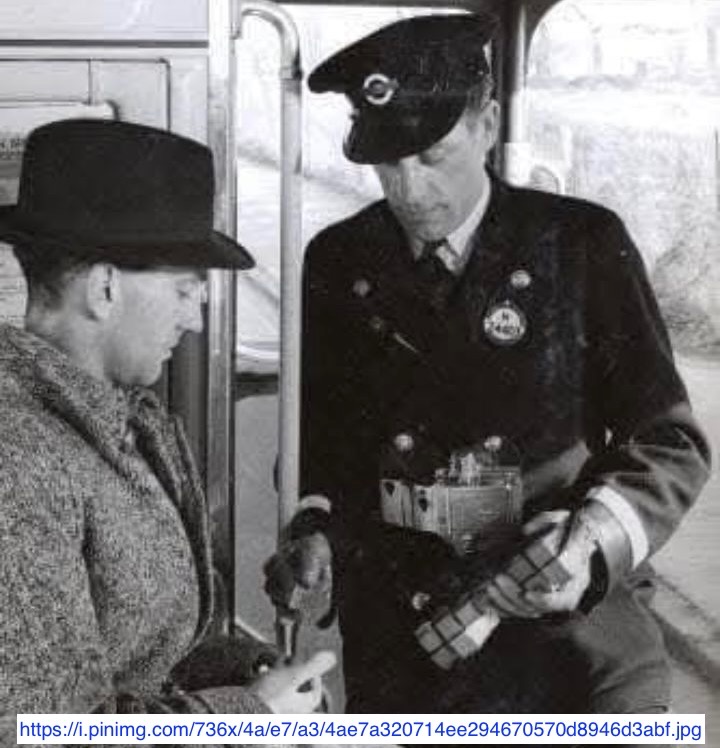
    When I was young, a public bus was a two-man operation. And yes, in those days, it was always men. 

    One was the driver. It was his job to drive the bus, and to stop to pick up new passengers and let old ones get off.

    The other person was the bus conductor. His job was to take bus fares and issue tickets.

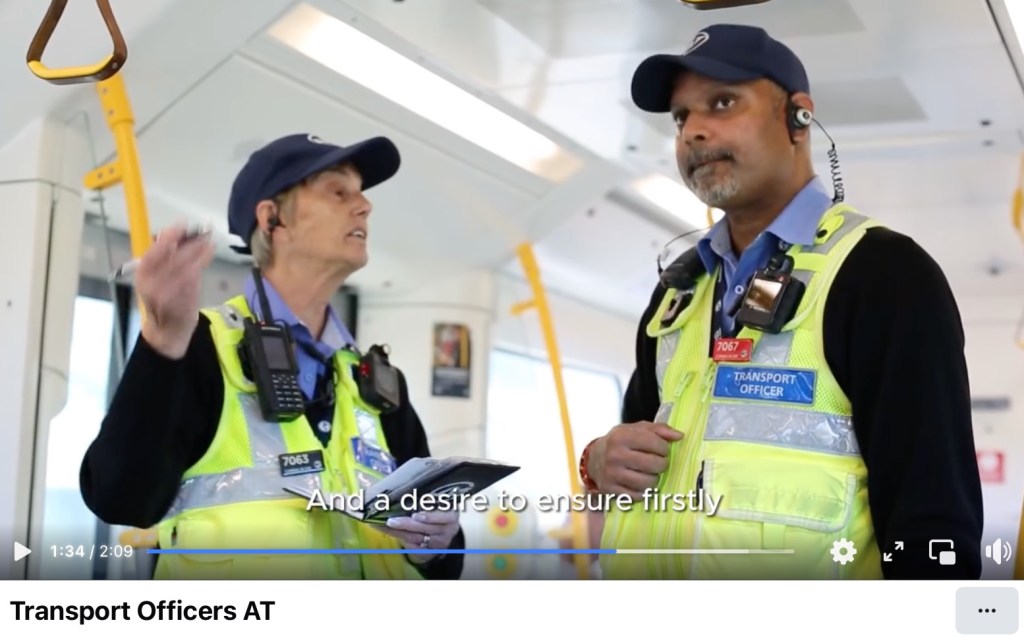
    In Auckland buses today, there’s usually only the driver, but sometimes there are other workers on a bus. These are the Transport Officers. 

    Screenshot

    Their job is to check that passengers have tagged on and paid. There are usually two of them, but sometimes three, depending on the time of day and how busy or full the bus is. You can watch a short video about them here.

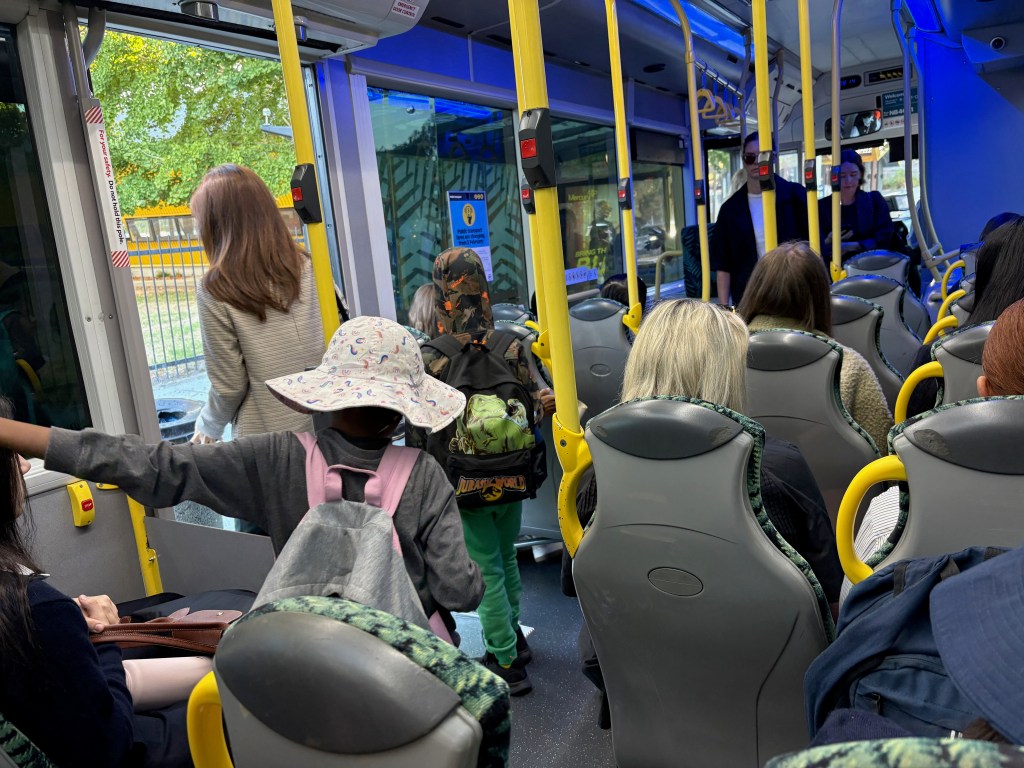
    Anyway, that’s just the background to today’s post. The other day, I was getting on the bus. It was eight in the morning, and lots of young and older school kids were getting on.

    I couldn’t get on, because a Transport Officer was blocking the way. He was talking to a young primary school girl. The girl got on the bus, but as I was tagging on, I heard what the officer said to the driver. He said, “I can’t leave her here. I’ll be in trouble.”

    Let me explain what happened. The girl didn’t pay and didn’t have a card. She was very young, maybe around seven, and there was no adult with her. This was a problem for the officer.

    His job is to stop people using the bus without paying, but if he didn’t let the girl on the bus and just left her on the street, something bad might happen to her.

    If his boss heard what he did, he might lose his job. That’s what the title of this post means, but I think he did the right thing in this case. He let her on and she got to school safely.

  • No Drama!

    In the space of five minutes today, I saw two animals that I had never seen before, and you can see them below.

    The one on the left is a cow, and the other one is a llama, originally from South America. It has a double “l” at the start, but you only pronounce one of them in English.

    Now, you’re probably asking yourself how come I’ve never seen a cow, and how I saw a cow and a llama in the middle of Auckland. Those animals don’t usually walk around the streets.

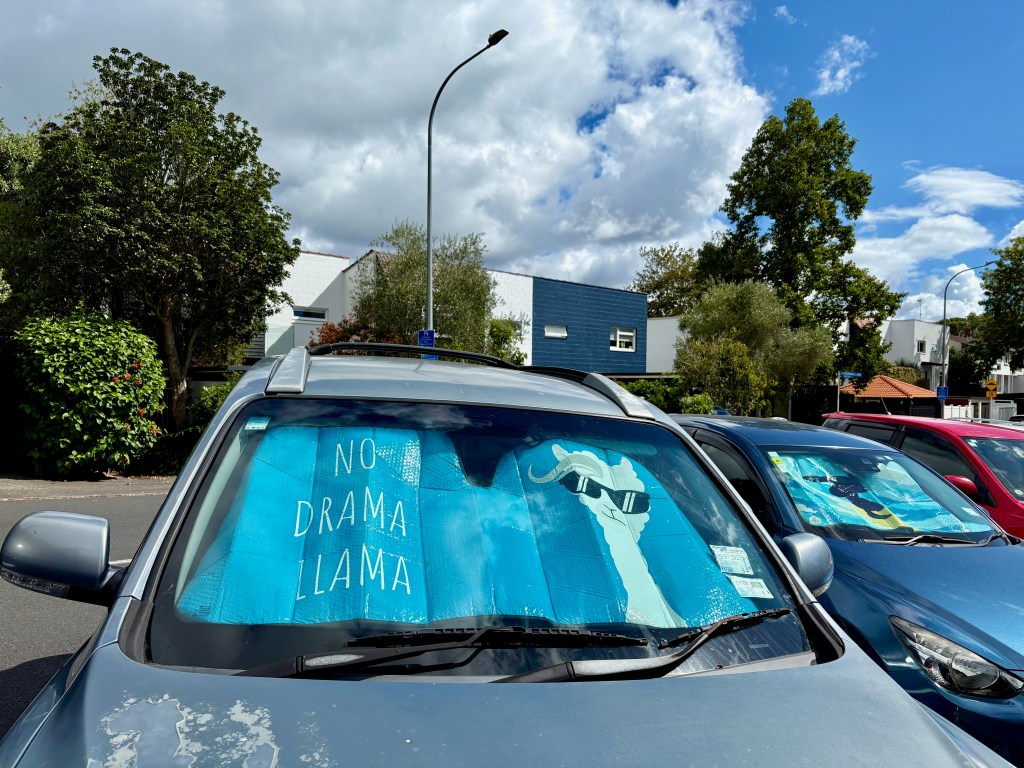
    Well, I lied, kind of. I didn’t actually see the real live animals in the flesh; I saw images of them. This is the first one I saw.

    The llama is on a sunshield. To me a llama always looks funny because of its very long neck, but I found this sunshield funny because of the words. Drama and llama rhyme, and in English “no drama” is another way to say “no problem” or “no worries”. This llama looks like it’s not having any dramas!

    So that only leaves the cow, and here’s where I saw the “cow” … on the side of a car belonging to a New Zealand dairy company. 

    Its brand animal is a cow, but that’s not why I took the picture. This car has a personalised number plate, and it’s the sound in English that a cow makes. I found that funny. 

    cow image: https://upload.wikimedia.org/wikipedia/commons/8/8c/Cow_%28Fleckvieh_breed%29_Oeschinensee_Slaunger_2009-07-07.jpg

    llama image: https://upload.wikimedia.org/wikipedia/commons/thumb/e/ec/Llama_%28Lama_glama%29_%2819692833269%29.jpg/1600px-Llama_%28Lama_glama%29_%2819692833269%29.jpg?20210311191712

  • Go on! You know want to!

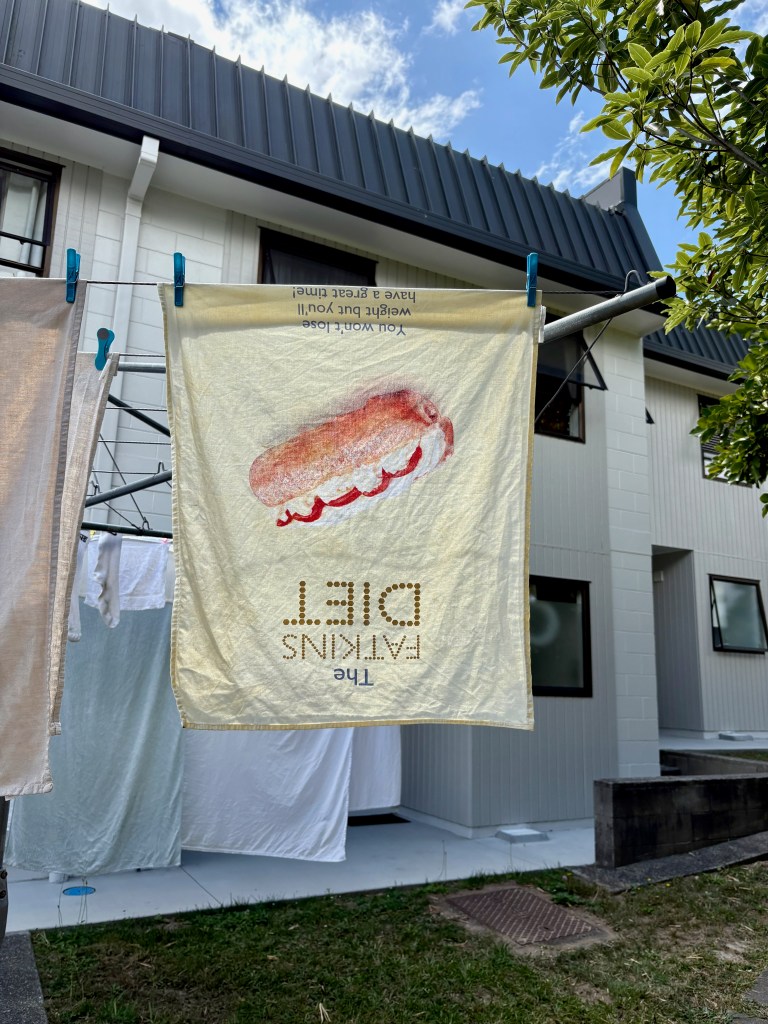
    My neighbours did their washing, and hung it out to dry. I was walking past their clothesline when I noticed one of their tea towels. It was hanging upside down, and at first, I didn’t understand it, so I stopped and had a closer look before taking this photo.

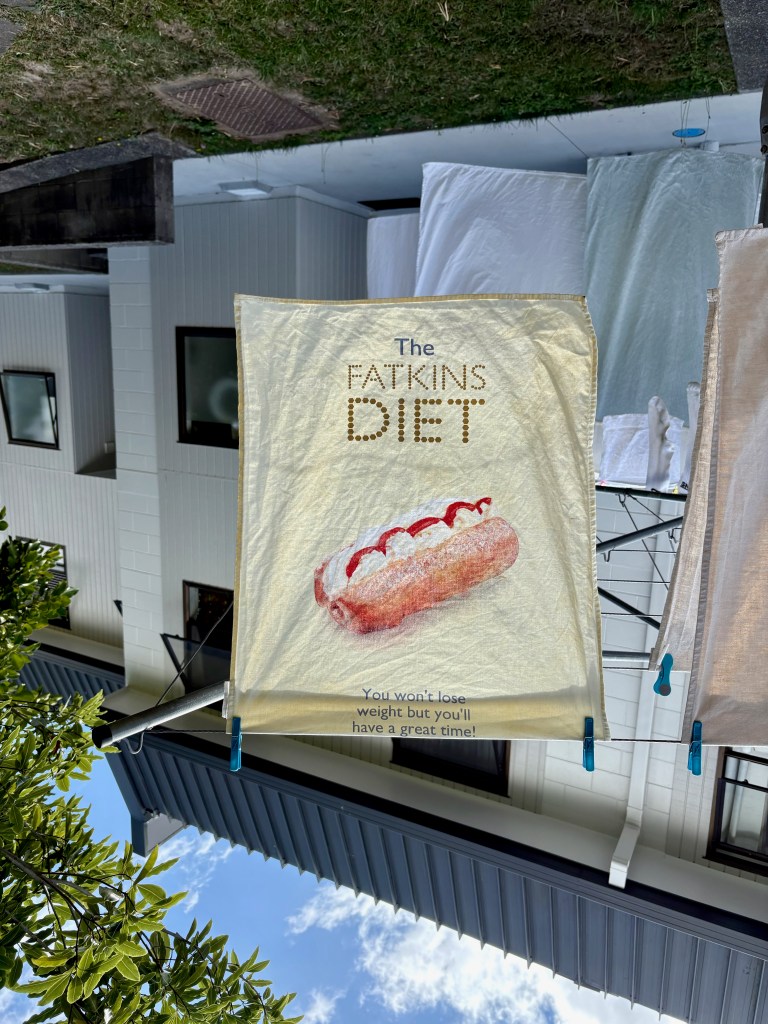
    In the middle there’s a big, tempting éclair filled with cream and jam. You might not be able to read the capital letters at the top of the tea towel (the bottom in this photo), but they say: THE FATKINS DIET.

    When people go on a diet, they try to lose weight, so they avoid things like cream and sugar, but this éclair has lots of both. If you eat too many eclairs, you’ll get fat.

    Most English speakers would think this tea towel is funny, but not because they’re laughing at being fat.

    Here’s why they might think it’s funny. There’s a famous diet calledThe Atkins Diet, named after the doctor who invented it. Someone thought it would be funny to put an F in front of his name to make Fatkins and print it on this tea towel. Ha ha!

    There are other words at the bottom of the tea towel (the top in this photo), but they’re smaller, so they might be hard to read. That’s why I’ve turned the photo upside down here. It’s strange to see the sky and the clouds and the roof at the bottom and the ground up above.